
Advanced personalized learning is reshaping the way students learn by focusing on individual needs, abilities, and goals. This approach adapts content, pace, and teaching methods to suit each student, unlike traditional education models that follow a fixed curriculum for all students. With advanced personalized learning, it becomes a powerful solution for improving academic outcomes and student engagement with the integration of technology, data-driven insights, and flexible teaching strategies. This article explores the key features, role, challenges, and solutions of advanced personalized learning.
What is Advanced Personalized Learning?
Advanced personalized learning goes beyond basic customization. It uses modern tools, analytics, and teaching frameworks to create a highly tailored learning experience. Every student receives instruction based on their strengths, weaknesses, interests, and learning style. This ensures that no learner is left behind or held back due to a one-size-fits-all system. This approach often includes adaptive learning platforms, 1-to-1 tutoring, and customized lesson plans. It allows students to progress at their own pace to ensure deeper understanding and long-term retention of knowledge.
Key Features of Advanced Personalized Learning
One of the most important aspects of advanced personalized learning is adaptability. Learning content changes in real-time based on a student’s performance. For example, if a student struggles with a particular concept, the system provides additional practice and simplified explanations.
Another key feature is data-driven decision-making. Teachers and tutors use performance analytics to identify gaps and adjust teaching strategies accordingly. This ensures that learning is not only personalized but also effective.
Student-centered learning is also a core component. Students are encouraged to take control of their education by setting goals, tracking progress, and actively participating in the learning process. This increases motivation and builds confidence.
Role of Technology in Personalized Learning
Technology plays a crucial role in advancing personalized learning. Artificial intelligence and machine learning algorithms analyze student behavior and performance to deliver customized content. Online platforms provide interactive lessons, quizzes, and real-time feedback, making learning more engaging.
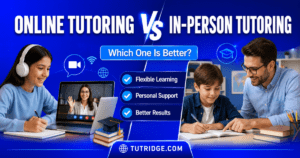
Virtual classrooms and online tutoring services, like those offered by Tutridge to enable students to connect with expert tutors from anywhere. This flexibility ensures that learners can access high-quality education regardless of their location.
Digital tools allow parents and educators to monitor progress closely. This transparency helps make informed decisions and provide timely support to students.
Benefits for Students
Advanced personalized learning offers numerous benefits.
- It improves academic performance by addressing individual learning gaps. Students receive targeted support, which helps them understand concepts more effectively.
- It increases engagement. Personalized content that matches a student’s interests makes learning more enjoyable and interactive. This reduces boredom and increases participation.
- It builds confidence and independence. As students achieve their learning goals at their own pace. They develop a sense of accomplishment. This encourages them to take ownership of their education.
- It supports different learning styles. Whether a student is a visual, auditory, or kinesthetic learner. Personalized learning ensures that the teaching method aligns with their preferences.
Benefits for Parents and Teachers
Parents benefit from greater visibility into their child’s progress. Regular updates and performance reports help them understand their strengths and areas for improvement. This allows for better support at home.
On the other hand, Teachers can focus more on mentoring rather than delivering generic lessons. With data insights, teachers can design more effective lesson plans and provide targeted guidance. This improves overall teaching efficiency and student outcomes.
Real-World Applications
Advanced personalized learning is widely used in online tutoring, test preparation, and skill development programs. For example, students preparing for international exams like IGCSE or GCSE can benefit from customized lesson plans that focus on their weak areas.
In schools, blended learning models combine traditional teaching with digital tools to create a personalized experience. This hybrid approach ensures that students receive both human interaction and technological support.
Corporate training programs are also adopting personalized learning to upskill employees efficiently. This shows the versatility and effectiveness of this approach beyond traditional education.
Challenges and Solutions
- Advanced personalized learning comes with challenges. One common issue is access to technology. Not all students have the necessary devices or internet connectivity. To address this, many platforms offer mobile-friendly solutions and offline resources.
- Another challenge is the need for teacher training. Educators must be equipped with the skills to use advanced tools and interpret data effectively. Continuous professional development programs can help overcome this barrier.
- Data privacy is also a concern. Ensuring the secure handling of student information is essential. Reliable platforms implement strong security measures to protect user data.
Future of Advanced Personalized Learning
The future of advanced personalized learning looks promising. Learning experiences will become even more immersive and effective with advancements in artificial intelligence, virtual reality, and data analytics. Students will have access to highly interactive and customized educational environments.
It will become a standard in modern education as more institutions and platforms adopt this approach. The focus will shift from rote learning to skill development, critical thinking, and problem-solving. It creates a more inclusive, efficient, and impactful learning experience for students worldwide by focusing on individual needs and leveraging technology.